TRENTON, NJ — January 2026 — In a historic move, New Jersey has passed new legislation that could significantly reshape mental health care in the state by authorizing psilocybin-assisted therapy under a regulated pilot program. The bill was signed into law on January 20, 2026 by outgoing Governor Phil Murphy as one of his final acts in office.
What the New Law Does
The new law, formally known as the Psilocybin Behavioral Health Access and Therapy Pilot Program, creates a state-supervised framework for psilocybin therapy, allocating $6 million to support research and clinical treatment trials.
Key components include:
- Establishing a pilot program for psilocybin-assisted therapy at three hospitals — one each in North, Central, and South Jersey — selected through a competitive process.
- Creating an 11-member Psychedelic Therapy and Research Advisory Board to oversee implementation, establish safety protocols, and guide future expansion.
- Requiring the New Jersey Department of Health to issue requests for proposals and oversee hospital participation within 180 days of enactment.
- Setting a two-year program period, after which officials must report results and make recommendations to the governor and legislature on broader regulation and potential expansion.
The state’s approach emphasizes evidence-based treatment in clinical settings, not recreational use.
Why This Matters
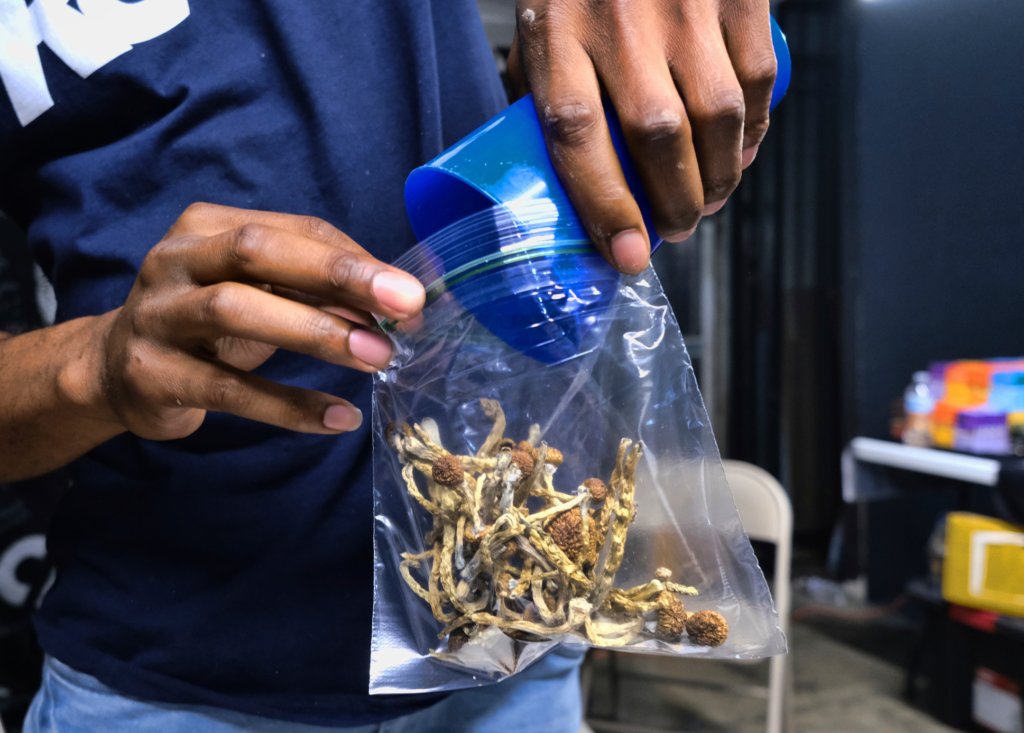
Psilocybin — the active compound in so-called “magic mushrooms” — remains a Schedule I controlled substance under federal law with no FDA-approved medical use. However, a growing body of research suggests its potential benefits for treatment-resistant mental health conditions such as depression, PTSD, anxiety disorders, and substance use disorders.
New Jersey’s new law positions the state among a small but growing number of jurisdictions that are exploring therapeutic access under supervision, joining others that have created research programs or medical frameworks for psychedelic therapies.
What This Isn’t (Yet)
Despite headlines talking about “legalization,” the bill as enacted does not:
- Legalize recreational use of psilocybin in the general population.
- Fully decriminalize possession and cultivation outside of the supervised medical context defined in the law.
- Remove federal restrictions — psilocybin remains illegal under federal law, and the state must align its pilot program with FDA guidelines and safety standards.
Legislative Background
The legislation built on earlier efforts in New Jersey to reform psychedelic policy, including previous proposals to establish broader access and debates about how to integrate natural psilocybin versus synthetic variants in treatment models.
The law reflects bipartisan support in the state legislature and significant testimony from advocates, mental health professionals, and patient groups who argue that traditional therapies have failed many individuals in need.
What’s Next
Over the coming months, New Jersey health officials will begin designing the pilot program, selecting partner hospitals, and developing training, safety, and reporting protocols for clinicians and facilities. The outcome reports due after the two-year pilot will be critical in determining whether expanded access or additional reform — including potential legalization for broader medical use — moves forward in the Legislature.